
Case Study
Title H1 [important keywords]
Project: [Project name]
Location: [Town / City]
Client: [Architect / Developer / Practice name]
Project Type: [Residential / Commercial / Mixed-use etc.]

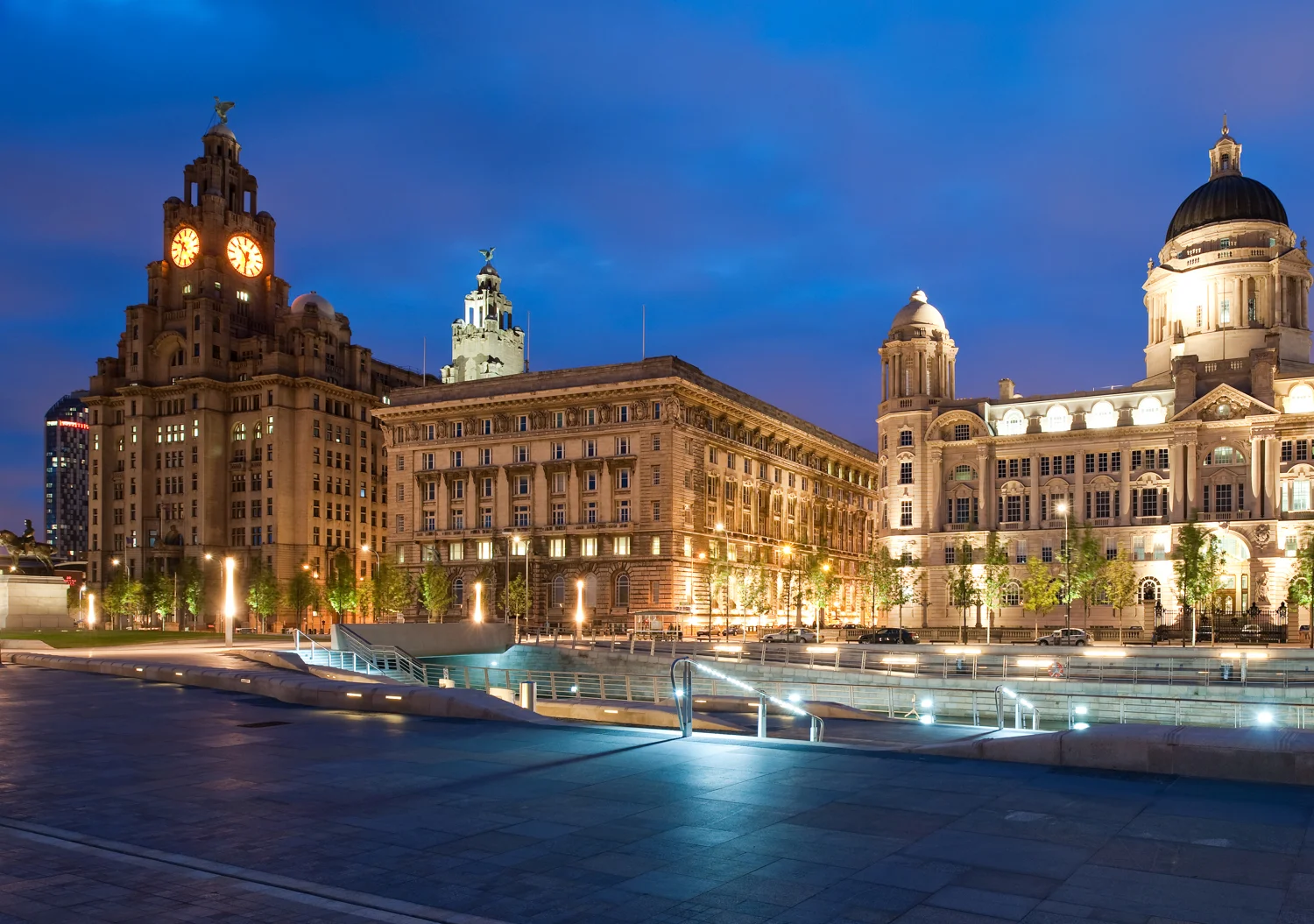
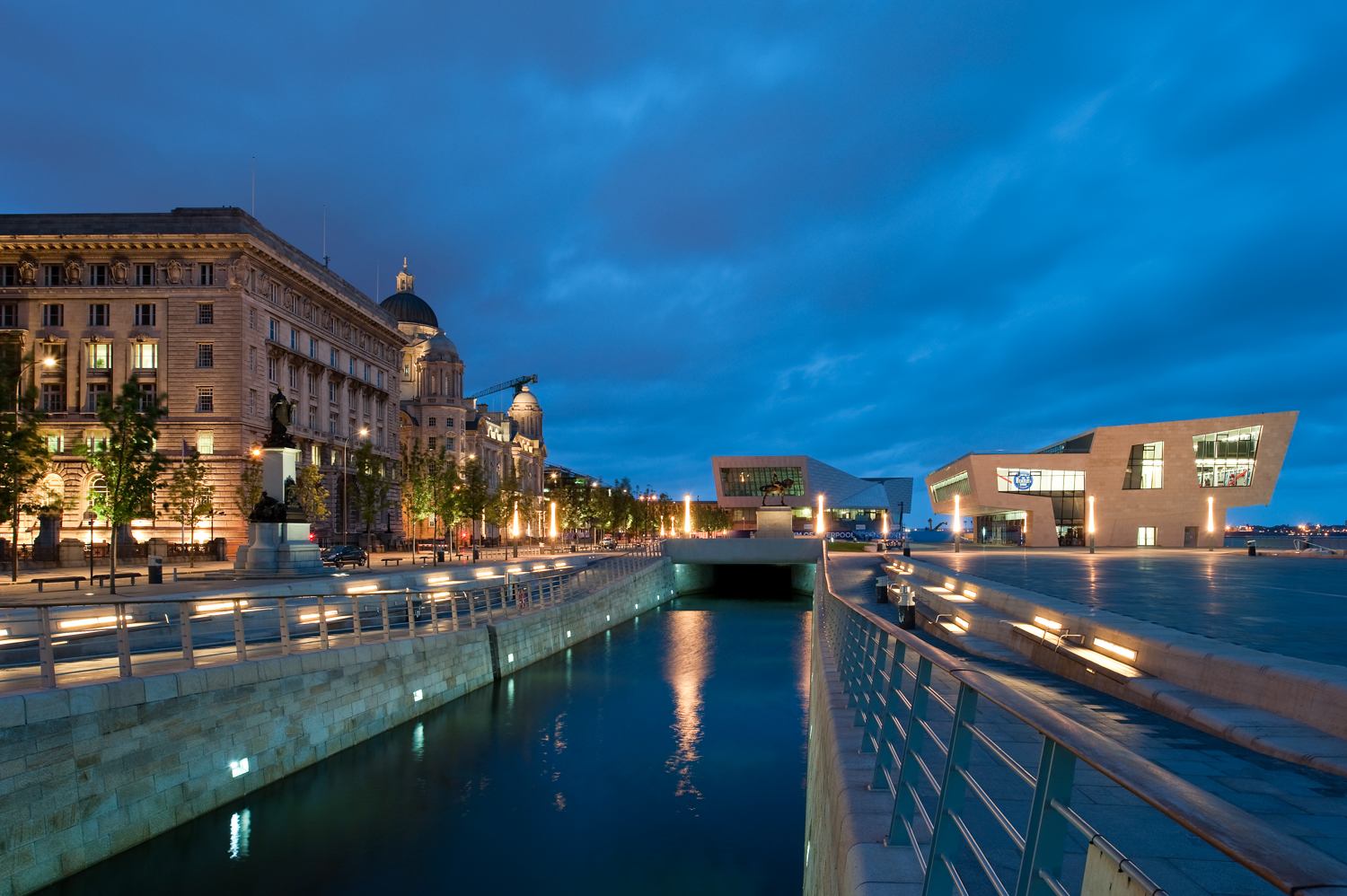
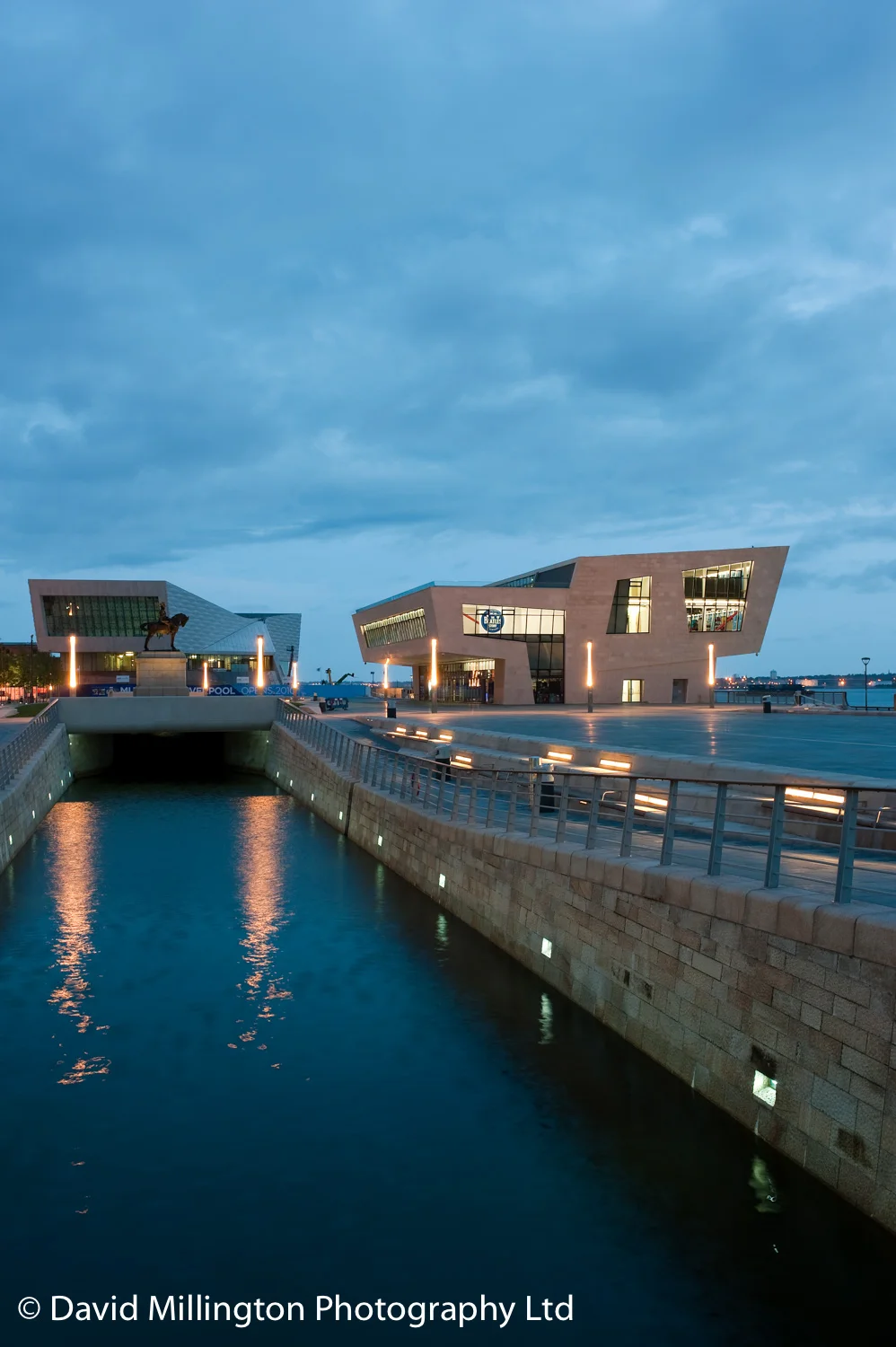
Liverpool

Arup Group Limited is a British professional services firm headquartered in London, providing design, engineering, architecture, planning and advisory services across the built environment. The company employs around 17,000 people in more than 90 offices across 35 countries and has worked on projects in over 160 countries.
Project Overview
This architectural photography commission was undertaken for [client name] to document [brief description of the building or project] in [location].
The images were commissioned to support [marketing / press coverage / award submissions / portfolio use], and to capture the key architectural ideas behind the scheme.
The Client Brief
The client’s brief focused on capturing [key design features, materials, spaces, views or architectural ideas].
Particular emphasis was placed on [e.g. the relationship between interior and landscape / the building’s material palette / natural light / the scale of the spaces].
The images were intended for use across [website / social media / awards submissions / press features / marketing material].
Planning the Shoot
Before the shoot, time was spent planning the photography to ensure the building could be captured at its best.
This included reviewing the architecture with the design team and identifying the key viewpoints that would communicate the project clearly.
The timing of the shoot was also planned around lighting conditions and sun direction, helping to highlight the building’s form, materials and spatial qualities.
The Shoot
Photography took place on [morning / afternoon / full day] to take advantage of the best natural light.
The aim was to create a carefully considered set of images that captured both the overall architecture and the smaller details that give the building its character.
Throughout the day, different viewpoints and compositions were explored to communicate [key architectural ideas or spatial relationships].
Post-Production
Following the shoot, a curated selection of images was carefully processed.
Post-production focused on refining colour, contrast and perspective while maintaining a natural and accurate representation of the architecture.
The goal is always to present the building as it truly appears, while ensuring the final photographs are polished and publication-ready.
Final Delivery & Results
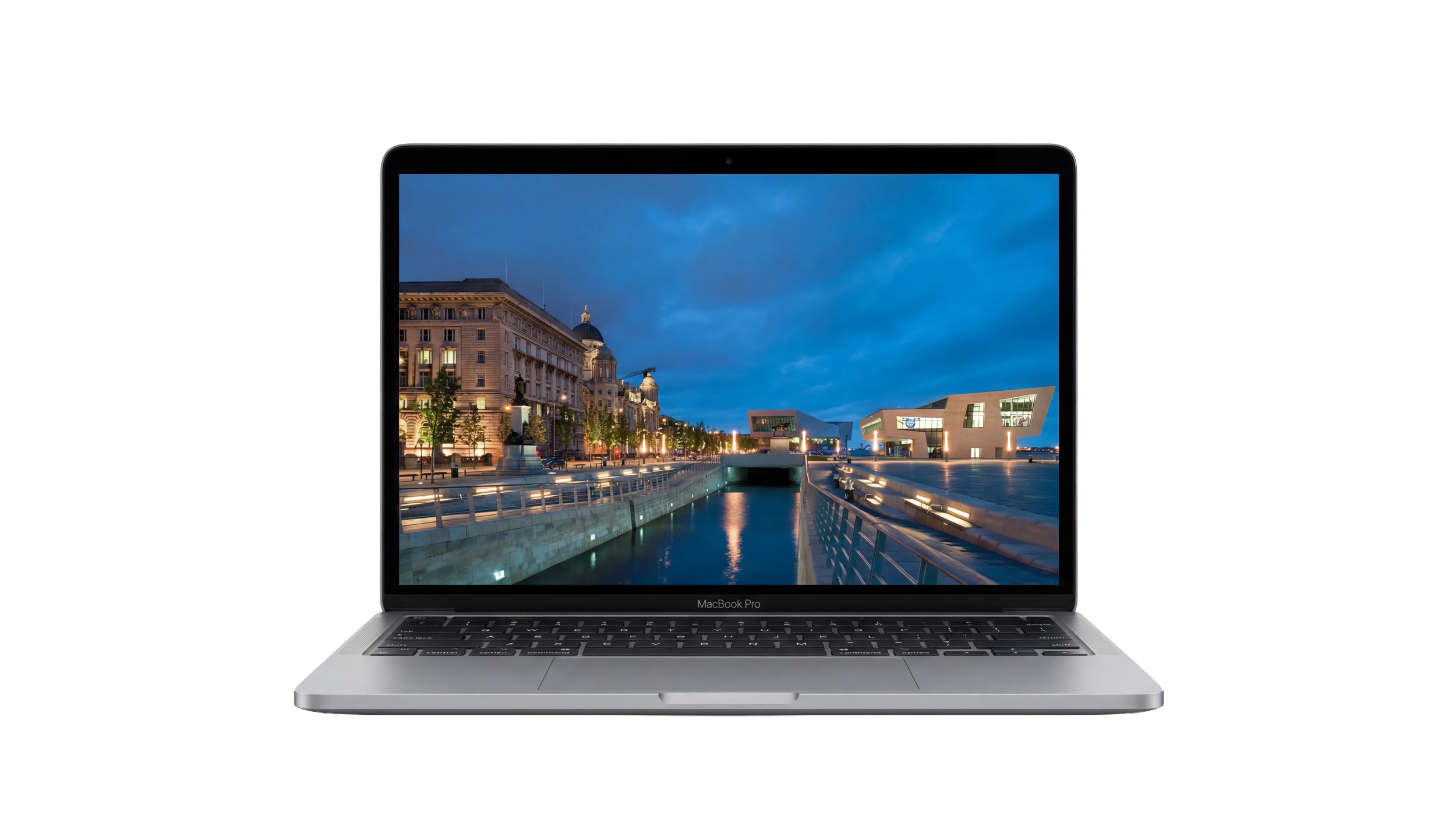
The client received a final set of [number] professionally edited images suitable for both digital and print use.
The photographs have since been used across [website / marketing / press features / awards submissions], helping to communicate the design of the project to a wider audience.



Frequently Asked Questions
-
It’s best to book once the project programme becomes clear, ideally a few weeks before completion. This allows time to plan around the best lighting conditions and the building's availability. Flexibility is often helpful, as the ideal photography window may depend on weather and final site readiness.
-
Ideally, the building should be fully completed, clean, and free of construction materials. Landscaping, signage, and external works also make a significant difference to the final images. If you’re unsure whether a project is ready, I’m always happy to review a few photos and advise.
Of course, this doesn’t apply to site progress images ;-)
-
Yes. Before the shoot, we usually discuss the key aspects of the project — the architectural ideas, important spaces and any features the design team wants to highlight. This helps create a clear plan, so the final images properly communicate the project.
I often work from marked up drawings like a site plan.
-
You will receive a carefully edited selection of high-resolution images suitable for press, awards submissions, and marketing.
I also supply a set of smaller images, so you already have copies for your websites and social media.
Images are supplied in the JPEG format suitable for both print and digital use.
-
No. As with most professional photography, the copyright remains with the photographer. Instead, clients receive a non-revocable licence to use the images for their own business purposes.
In practice this means you are free to use the photographs across your website, social media, marketing materials, press features and award submissions, and you may supply them to magazines or publications when promoting your project.
This licensing approach is standard across the photography industry. Retaining copyright simply allows the photographer to manage commercial use by third parties. For example, if a supplier, manufacturer or developer involved in the project wishes to use the images for their own marketing, a separate licence can be arranged.
For most clients, this provides all the freedom they need to promote their projects while ensuring the images remain properly managed and professionally presented.
-
Yes. Architectural photography is often commissioned specifically for publication and awards. Images are supplied at publication quality, and licensing can be arranged to allow use across marketing, editorial features and submissions.
-
Every project is slightly different, so photography is usually priced based on the size of the scheme, the number of images required and the time needed on site.
Smaller projects may only require a half-day shoot, while larger or more complex schemes often take a full day or more.
Once I understand the project and how the images will be used, I can provide a clear quotation.
-
Yes. I regularly photograph projects across the UK and occasionally in Europe. I am happy to travel where needed.
Many of my clients work nationally, so it’s common for projects to be in different regions. Travel arrangements can simply be incorporated into the project quotation.